
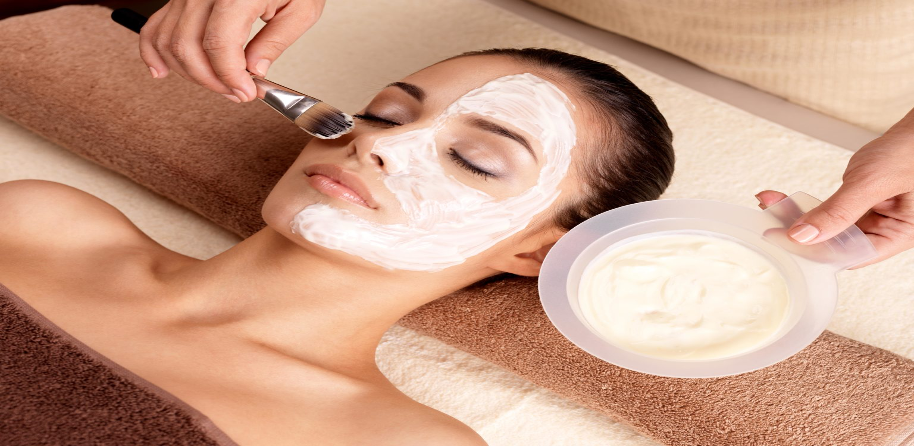
A guide to what type of face matches your client's skin type.
No two people's skin is exactly the same. As an esthetician, it is essential to know yourself
the main skin types and what type of face suits each one.
Skin type is determined by genetics. However, a person's skin type can
change based on lifestyle, environmental factors, hormones and age. Field
medical has several different systems for categorizing skin types. In the field
cosmetics, the skin is classified according to sebum secretion, hydration and level of sensitivity.
Within this system, the skin of healthy people falls into one of five categories: normal,
oily, dry, combination and sensitive.
The best way to learn in depth about the face is through the aesthetic school
skin care. We take a look at the main categories of skin and face
right to give to each.
Normal Skin
Normal skin is kind of a misnomer. It refers to skin that is not even very old
dry and not too greasy, no visible defects and no need for care
special. Needless to say, many people are not lucky enough to have "normal skin".
so maybe "balanced skin" would be a more accurate name. As an esthetician, you will
want to lead your clients to normal skin wealth.
All facial treatments combine different levels of cleansing, exfoliation and moisturizing.
Perform these treatments to make the client's skin even cleaner and more hydrated than before
it is now.
Oily skin
Oily skin often appears in young people, especially in teenagers. it is common
in this age group, because its basic cause, the excessive production of fat from the glands
fatty, usually related to hormonal issues. Oily skin looks bright and e
red as a result of clogged pores. It is often accompanied by acne.
A face with oily skin should include an exfoliant such as glycolic acid that will
help open pores and calm acne. However, it is important not to
overdo it or irritate oily skin, so balance exfoliation by a notch
the soothing moisturizer.
Dry skin
In many cases, dry skin is the result of environmental factors, such as cold weather and air
dry. These factors are temporary. However, due to genetics, some people
experience dry skin throughout their lives, resulting in conditions such as eczema.
Dry skin can crack or peel and is often itchy and painful.
The lack of oil in dry skin can lead to the accumulation of dead cells
skin. Gentle exfoliation followed by a deep moisturizing mask will help to do it
healthier and more hydrated skin.
Combination skin
Many people naturally have combination skin, which means that their skin is e
oily in some places and dry or normal in others. Often, oily skin is located
in the "T zone:" along the forehead and below the nose, mouth and chin area. This comes from
uneven distribution of sebaceous and sweat glands.
For a combination facial skin, treat each area of the face according to its needs
specific. If necessary, apply extracts to fatty areas of the face. Chemical peeling
can also be effective.
Sensitive skin
Also known as "irritated skin", sensitive skin is fragile. People with fair skin
Sensitive skin may experience flushing, tingling, heat, and redness. Skin that
sensitive lacks a protective barrier, which makes it easier for impurities to enter,
pollutants and microorganisms.
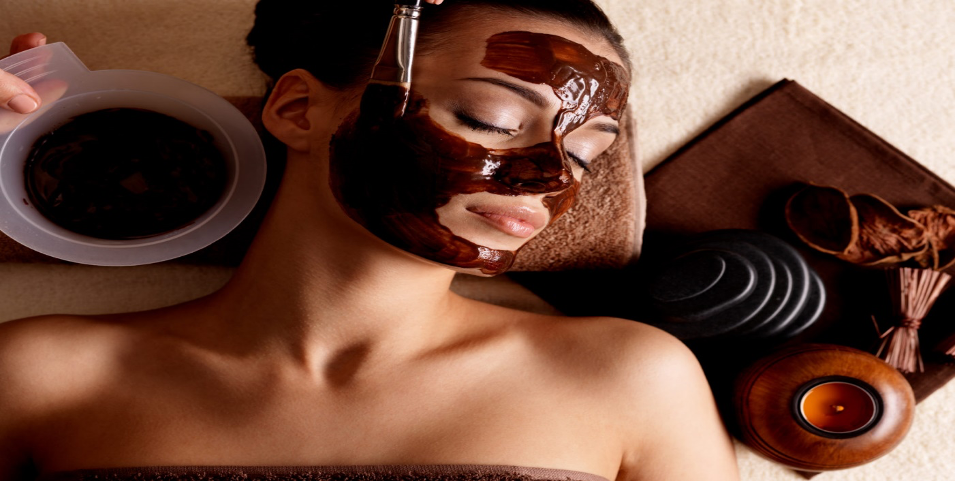
A sensitive facial skin requires gentle enzymes and cleansers that are fragrance-free.
Be careful to apply the right amount of each product, as an excessive treatment also i
bute can cover sensitive skin.