
To understand the skin!
Types and condition of the skin
There are four basic skin types: normal, dry, oily and combination skin.
Skin type is determined by genetics. However, the condition of our skin can change
very much depending on the different internal and external factors that he i
is submitted.
If you need help identifying your skin type, a skin test can be
a useful tool. If you need further advice on how to care for it,
Dermolife recommends that you contact a dermatologist or a specialist doctor.
1. Normal skin
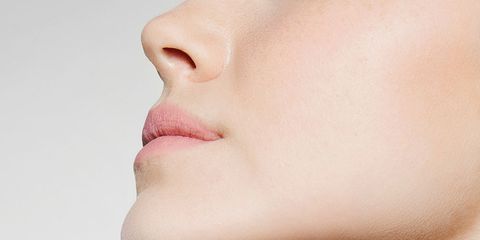
'Normal' is a term widely used to refer to well-balanced skin.
The scientific term for healthy skin is eudermic.
Normal skin is well balanced: neither too oily nor too dry.
2. Dry skin
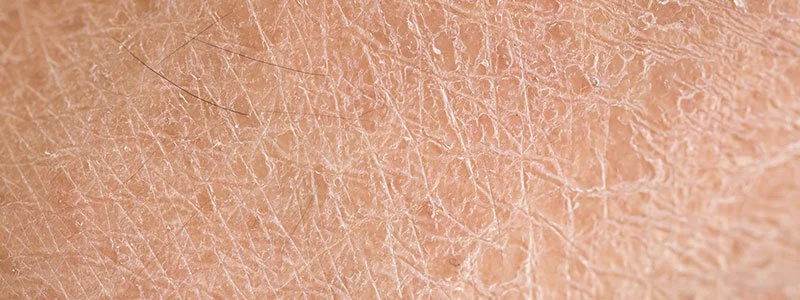
'Dry' is used to describe a type of skin that produces less sebum than the skin
normal. As a result of the lack of sebum, dry skin lacks the lipids it needs
to keep moisture and to build a protective shield against its influences
external.
3. Oily skin
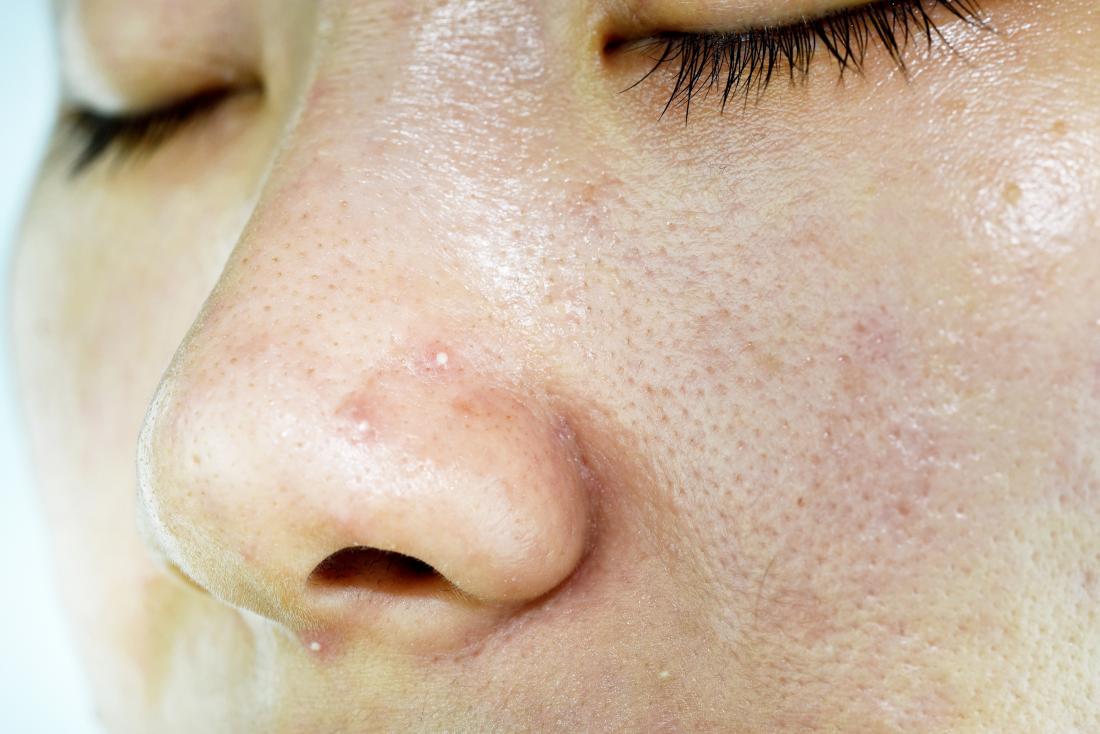
'Oily' is used to describe a type of skin with increased sebum production
sebum. This over production is known as seborrhea.
Oily skin has shine and visible pores.
4. Combination or mixed skin
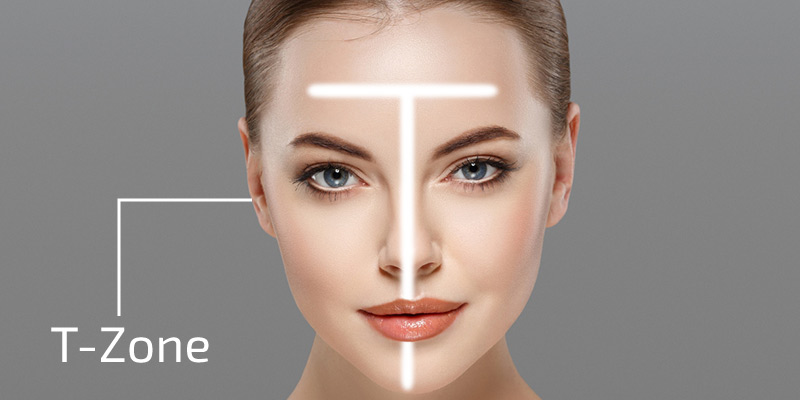
Combined leather is, as the name suggests, leather that consists of a mixture of types
skin.
Skin types vary between T-zone and cheeks to combination skin.
But the question is: Which of the aforementioned skin types need more?
attention?
Type 2,3,4 need more care than type 1, BUT if you don't want
skin from type 1, to become type 2,3 or 4 needs minimal protection from
sun and moisturizer!
This is one of the most important tips that should be given to the client.