
Nutrition is the science that studies the composition, function and effect of food on the body
to man. This concept includes the analysis of food components, such as proteins, fats,
carbohydrates, vitamins and minerals, and how the body uses them. Nutrition does not
it's just a way to mark calories, but it's an in-depth research of how
how food affects our health and well-being.
With proper knowledge in nutrition, you can achieve a balanced lifestyle and
healthy that can help strengthen the antibodies in our immune system and us
improving the overall physical performance. Through nutrition you can
improve everyone's life, prevent chronic disease and manage fluctuations in
weight and energy level, a problem that worries a large number of individuals
nowadays.
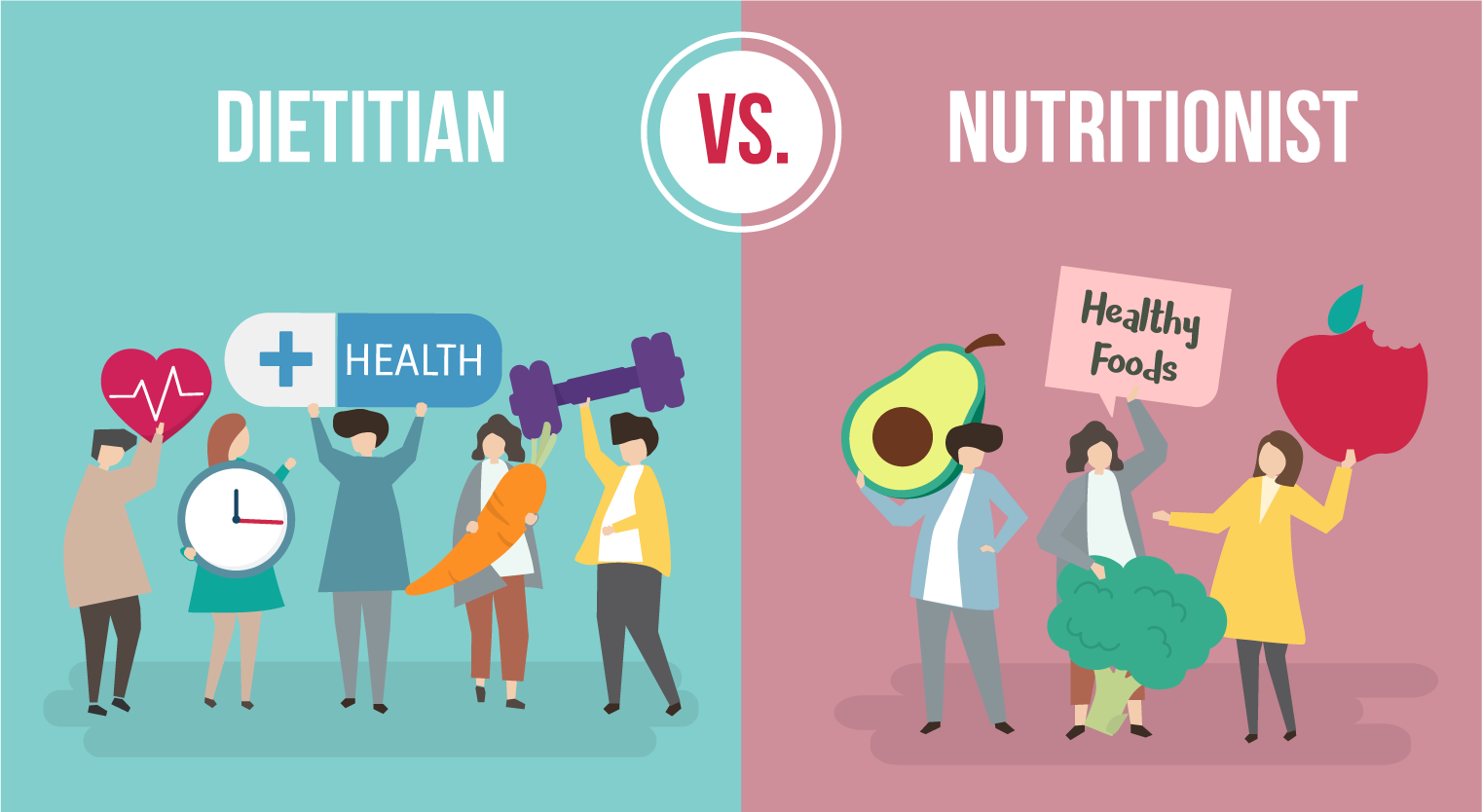
What is the difference between a nutritionist and a dietician?
The main difference between a nutritionist and a dietician is at the academic level. These two
professions have different approaches to the study and use of nutrition knowledge. With
below you will find their main differences:
Nutritionist:
a) Nutritionist is a specialty, with a wider focus on basic knowledge about
food and its effects on health.
b) Focus on providing general advice supporting basic needs
customers.
c) Employment opportunities in various fields, including public education, public health,
restaurants, start-ups, private medical centers, health institutions, etc.
Dietitian:
a) Dietetics is a specialized branch of nutrition which focuses on the treatment of
specific pathologies or special health needs through the design of regimens
food.
b) Focus on advising clients with special needs, including treatment of
food allergies, diabetes, cardiovascular disease and other health issues.
However, the difference between these two professions may vary depending on the countries and
local laws. In some countries, the term "nutritionist" and "dietologist" may have different translations
different.